More information than it appears
A memorial looks like a list of names. It is usually a list of decisions.
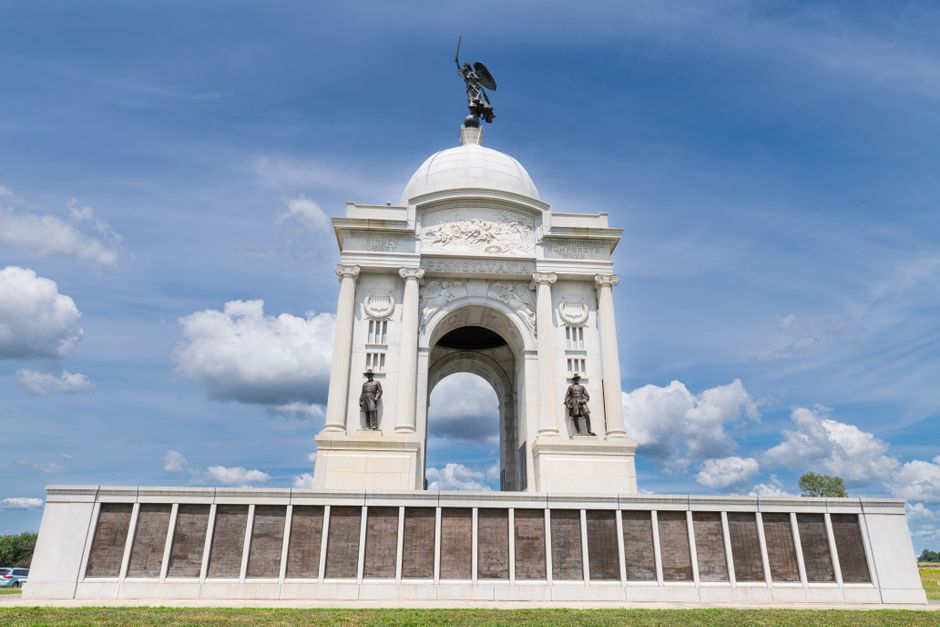
Who decided the list
Most local memorials were compiled by a committee from whatever information reached it: parish lists, newspaper notices, families who came forward. That explains the inconsistencies — men who moved away are missing, men with no local connection appear, spellings follow whoever wrote the card.
Order and grouping
Names may run alphabetically, by rank, by date of death or by the order the committee received them. Working out which tells you something about when a name was added, and sometimes that a name was added much later.
Burial and commemoration records
The record behind a grave usually holds more than the stone: next of kin, address, unit, sometimes age. Where there is no grave, commemoration registers exist precisely to cover that case and are indexed independently.
Absence means something specific
A man missing from a memorial may have died later of wounds, died in a category the committee excluded, or simply had nobody left locally to submit his name. None of those are the same as not having served, and each points to a different place to look next.
Photograph it properly while you are there
Stone weathers and lettering disappears, often within a decade for softer material. A straight-on photograph in flat light, with a scale and the full panel in frame, is worth more later than a dozen atmospheric shots. Where a name is already illegible, earlier published transcriptions may be the only surviving record.