About
A practical research guide, written for people doing family research rather than for historians.
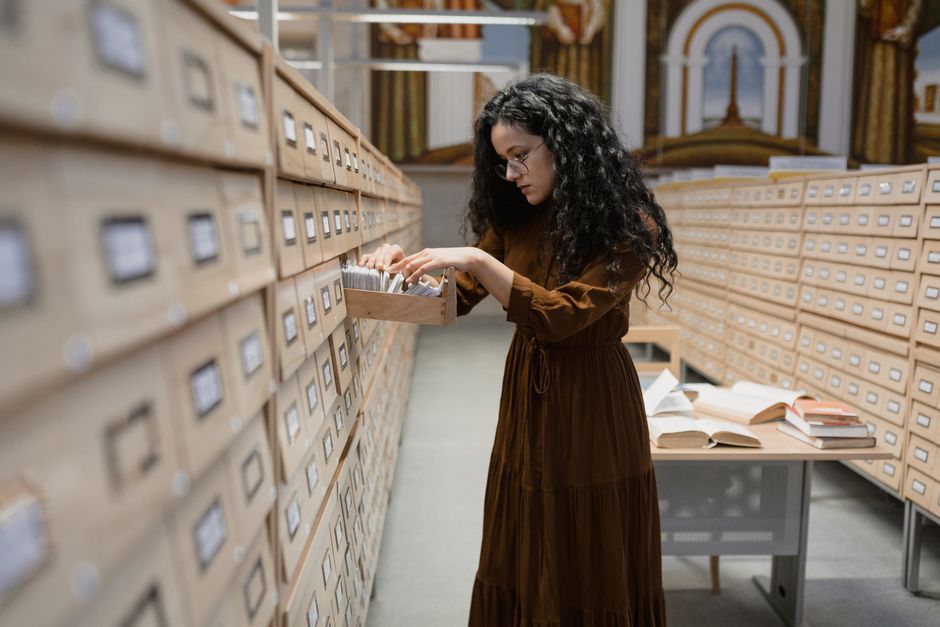
These pages describe method: where records are likely to be, how to read what survives, and which assumptions cause the most wasted time. They do not contain records themselves and cannot look anything up for you.
The guidance is deliberately general, because archive structures and access rules differ by country and change. Where a specific institution is mentioned it is as an example of a record type, not a recommendation.
If something here conflicts with advice from an archivist holding the actual file, the archivist is right. Corrections from people who work with these collections are welcome and have improved several of these pages already.
A word on expectations: a great many searches end without finding the file, and that is a normal result rather than a failure of method. What usually remains possible is establishing where a person was and when, which is most of what families are actually asking.