Somebody's grandfather, and a box of paper
Most military family research starts the same way: a handful of documents, a photograph with no names on the back, and nobody left to ask.
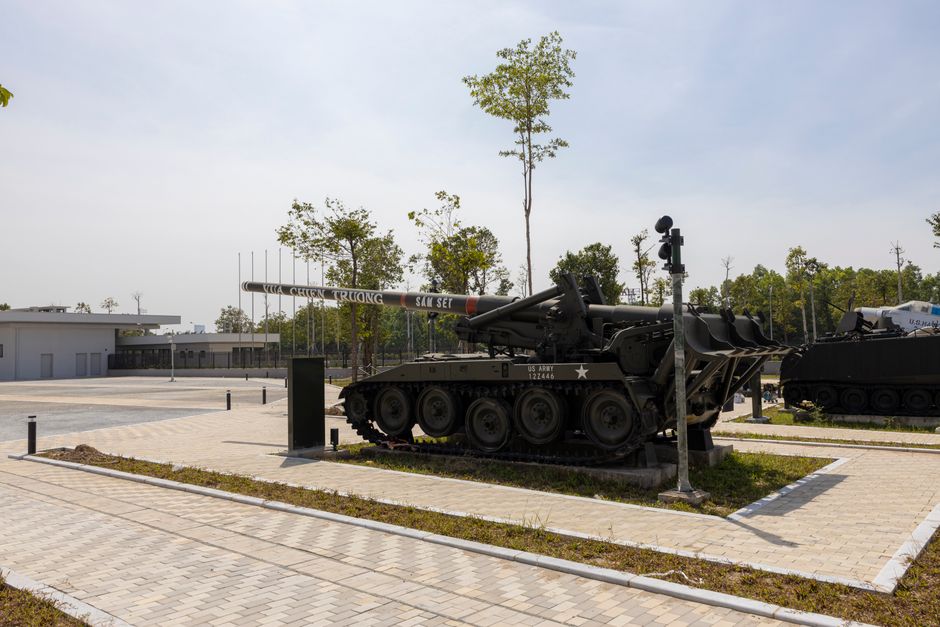
The research itself is not difficult, but it is counter-intuitive. Records were kept for administrative reasons that had nothing to do with remembering people, so they survive in strange places and are indexed by categories that make no sense to a descendant.
These pages explain where to look, what the gaps mean, and how to avoid the two mistakes almost everyone makes early on.
The first rule: write down what you already know, with sources, before searching anything. Half of all dead ends come from a family story that turned out to be approximately true.
What is here
Archives covers where records live and why so many are missing. Memorials is about reading monuments and burial records, which carry more information than they appear to. Uniforms helps date and place an undated photograph.
Two mistakes almost everyone makes
The first is trusting a family story as a starting fact rather than a lead — names, ranks and places shift across two retellings. The second is searching for a person before establishing a unit; records are organised around formations, and a researcher who knows the unit can find a man whose own file no longer exists.